


How to Monitor Remote Animal Habitats in Australia with Technology
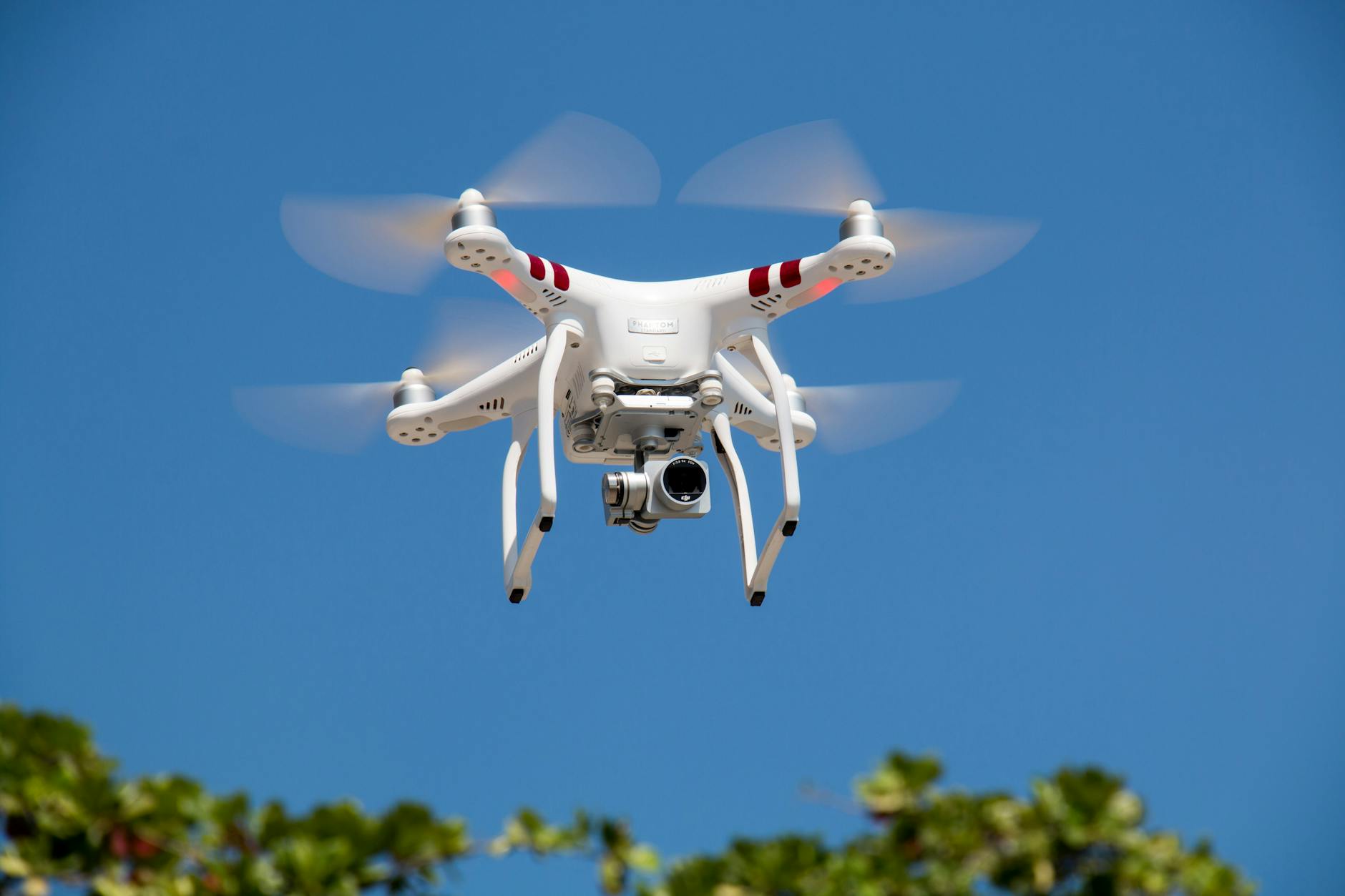
Choosing Monitoring Technologies
Adopting the right surveillance equipment is crucial for those of us dedicated to preserving wildlife, particularly in areas like regional Queensland. There's an increasing demand for innovative tools like miniature cameras, which can be a game-changer for monitoring without disrupting natural habitats. As someone who spends early mornings observing animal behavior, I’ve learnt that these compact devices are essential for capturing detailed footage in challenging environments. They're especially useful for professionals like Jake Whitmore who want non-intrusive technology that doesn’t interfere with the delicate balance of the ecosystem.
When considering surveillance options, the benefits of cameras mini should not be overlooked. Their condensed size provides flexibility, allowing them to be discreetly placed in several locations. This capability ensures thorough wildlife movement observation without causing stress to the animals. Additionally, specialists looking for added safety might explore tools like a smart watch with fall detection australia, which can be particularly useful for fieldwork in remote sites.
While visiting the RSPCA Brisbane Animal Care Campus, you'll glean insights on improving wildlife monitoring systems. This integration of cutting-edge tools in familiar settings can help bridge the gap between technology and conservation needs. For us, the focus is not just on gathering data but ensuring these tools harmonize with our commitment to preserving wildlife. Selecting suitable equipment that meets environmental demands while offering technological durability empowers conservationists in their mission.
Setting Up Equipment in Habitats
Selecting Installation Sites
When choosing installation sites for surveillance equipment, understanding the local fauna and their behavior in regional Queensland is crucial. For wildlife like birds, look for areas that provide a blend of coverage and camouflage to ensure seamless observation. Consider utilizing high resolution mini camera setups to capture intricate details without disturbing the settings. Locations similar to the pet-friendly cafes in New Farm can be ideal models, as they offer serenity amidst bustling environments, showcasing the importance of balance between visibility and low impact on wildlife.
Minimizing Wildlife Disturbance
The key to effective monitoring is reducing interference with the natural habits of animals. When setting up tools like a small nanny camera with audio, prioritize positions that blend naturally into the habitat. This helps in recording genuine behaviors without the equipment causing alarm among animals. Think of places akin to the calm locales at South Bank Parklands, which are less likely to stress wildlife. Avoid bright, exposed positions that may deter animal visits or alter their natural activities.
Ensuring Equipment Security
To safeguard your monitoring devices, whether they are video doorbells or miniature cameras, secure installation is vital. It's beneficial to use natural cover, like foliage, to protect equipment from weather and potential tampering. Ensure they are firmly attached to stable structures or safely nestled in tree canopies when in use. This setup mirrors the enduring stabilities found at the RSPCA Brisbane Animal Care Campus, providing a practical solution to maintain surveillance effectiveness in diverse environmental conditions.
Interpreting Data Effectively
Software for Data Analysis
Understanding wildlife movement and behavior requires robust software tools to analyze the data collected from surveillance systems. Opt for software that allows for detailed analysis without overwhelming complexity. Many analytics platforms offer user-friendly interfaces, making it easier to sort and examine patterns in behavior or movement. These tools can streamline tasks for conservation efforts, helping professionals like Jake focus on what truly matters: preserving wildlife. They enable you to draw insights quickly, potentially identifying trends or anomalies in the data that might otherwise go unnoticed.
Real-Time Monitoring Tools
Incorporating real-time monitoring tools is an invaluable component for those committed to conservation goals. mini surveillance cameras are particularly helpful in providing a continuous feed of ongoing activities in a habitat. Real-time tools ensure you’re aware of any immediate risks or changes in the environment that require swift action. This way, you can respond promptly to unexpected wildlife behavior, minimizing any negative impact on their natural habitat.
Storing and Sharing Data
After collecting and analyzing, the next crucial step is deciding how to store and share data for maximum effectiveness. Opt for cloud-based solutions that offer secure and accessible data storage options. These platforms allow you to efficiently share findings with your conservation community, whether you're at the RSPCA Brisbane Animal Care Campus or interacting in online forums. Such connectivity not only facilitates collaborative efforts but also enhances collective learning. Utilizing a sophisticated tracker may further improve data accuracy and integration, helping sustain a well-rounded conservation strategy.
Maintaining Equipment
Addressing Weather Challenges
In the diverse climates of Queensland, ensuring your monitoring equipment holds up against weather challenges is crucial. The tropics can be particularly punishing; hence, devices need to be robust enough to survive sudden downpours and the sweltering heat. Look for cameras with weatherproof ratings like IP65 or higher, which provide substantial protection against dust and rain. If your research site is in an area prone to extreme conditions, consider adding extra shielding or housing around the units.
Regular Maintenance Schedule
Regular check-ups are essential to prolong the lifespan of your equipment and maintain data reliability. Establish a routine maintenance schedule that includes cleaning dust off lenses, checking battery life, and updating firmware. Frequent visits to your equipment, perhaps aligning them with your conservation checks, will help in quickly identifying potential issues before they escalate. If you're pondering how to find hidden cameras with fewer disturbances, speaking with experts or visiting a camera shop near me in Brisbane might offer fresh perspectives.
Updating Technology
As technology advances, so should your equipment. Updating your surveillance tools improves functionality and can enhance your data collection, resulting in less environmental impact. Consider opting for modular systems that allow you to upgrade specific components, like sensors or software, without needing to replace entire units. This flexibility enables you to stay current with technological advancements, which brings confidence and efficiency to your conservation efforts.